
Noisy Garage Door Repair Miami Gardens
Grinding, squealing, popping or banging: every noise has a cause. We find it, fix it and, where it makes sense, quiet the door for good.
- Same-day service
- Serving all Miami Gardens neighborhoods
- Explained before we repair
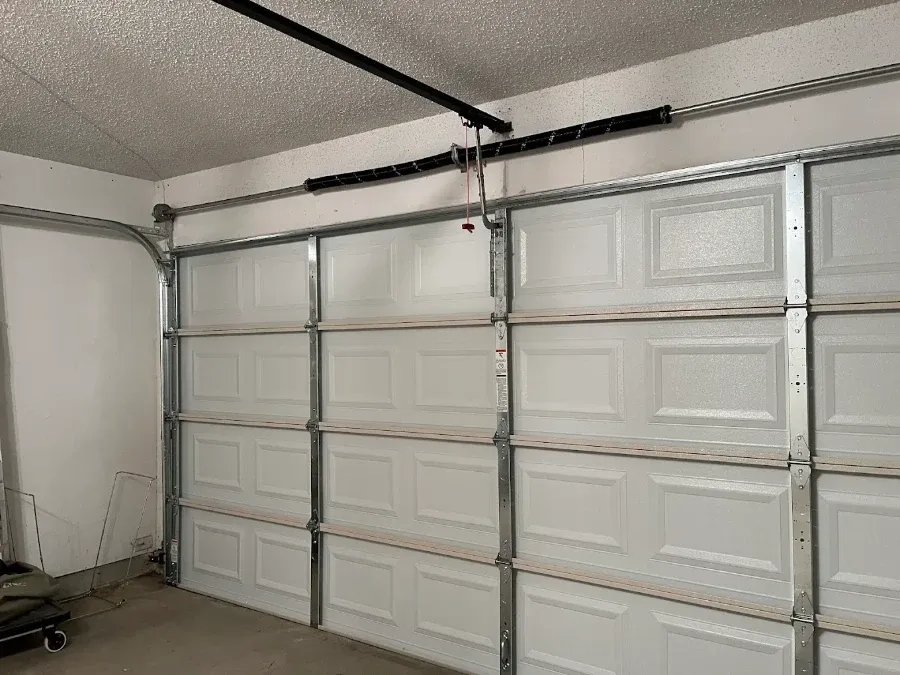
What Is Making Your Garage Door So Loud?
A garage door is a stack of moving parts: springs, rollers, hinges, tracks, cables and an opener. Each makes a different sound when it wears. Listening carefully is the quickest way to narrow down the cause, and the chart below matches the common sounds to what usually makes them.
| The sound | Likely cause | What to do |
|---|---|---|
| Squealing or squeaking | Dry hinges, rollers or spring coils | Lubricate the right parts. If it returns, the parts are worn |
| Grinding or scraping | Worn rollers, a bent or dirty track, or a worn opener gear | Stop and have it inspected before the track gets scored |
| Popping or snapping while moving | Spring coils shifting, binding hinges or a track joint | Have the springs and hinges checked |
| Rattling or vibrating | Loose bolts, a loose opener rail or loose panels | Tighten visible hardware, but not springs, cables or bottom brackets |
| Slapping or clanking from the rail | A slack chain on a chain-drive opener | Adjust or replace the chain |
| Humming with no movement | A stripped opener gear or a disconnected door | Stop using the opener |
| A loud bang, then the door will not lift | A broken spring or cable | Stop and see our emergency garage door repair page |
| Banging when the door closes | Door out of balance, or travel limit set too low | Balance and limits need adjusting |
| Scraping along one side | The door rubbing the weatherstrip or sitting off its track | See our off-track page |
| Clunking when the door opens | A loose trolley or carriage, a slack chain, a hinge binding, or a roller catching at the curve of the track | Check the rail and chain first, then have the rollers and hinges inspected |
Why Do Garage Doors Get Louder in South Florida?
Climate does more to a garage door than most people expect, and noise is usually the first sign.
- Humidity and salt corrode steel rollers, hinge pins and spring coils, which then squeal and bind
- Heat expands and contracts the metal every day and dries out lubricant
- Dust and salt film collect in hinges and on tracks and add friction
- Heavy daily use wears rollers and hinges faster, especially when the garage is the main entrance
Most of that wear is quiet at first. A door that is a little louder this month than last is telling you something. Our maintenance page explains the routine that keeps wear from adding up.
Why Is My Garage Door So Loud Inside the House?
When the garage shares a wall with a bedroom, nursery or home office, or sits beneath one, vibration travels through the framing. The door and opener can be working normally and still feel loud in the next room. These are the usual carriers of vibration:
- A chain-drive rail fixed rigidly to the header or ceiling
- Steel rollers rattling in the track
- A motor housing bolted straight to joists
- Loose opener brackets and rail sections
- Worn hinges that let sections knock against each other
The cause tells us which upgrade will actually help, which is why we listen before we recommend.
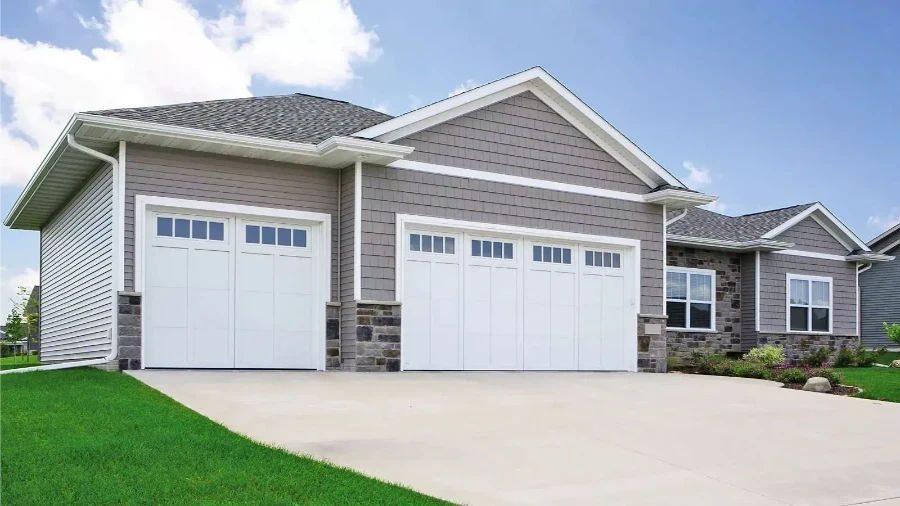
What Can Make a Garage Door Quieter?
Not every upgrade suits every door. This is general guidance, and we check which will help on yours.
| Upgrade | What it changes | Often a good fit for |
|---|---|---|
| Nylon rollers with sealed bearings | Smoother, quieter travel than bare steel rollers | Doors with worn or steel rollers |
| Belt-drive opener | Less vibration and noise than a chain | Garages that share a wall or sit under living space |
| Soft-start and soft-stop opener | Eases the door into and out of motion | Frequent daily use |
| Rubber mounts for the opener | Reduces vibration carried into the ceiling | Openers fixed straight to joists |
| New hinges and tightened hardware | Removes rattles and knocking | Older doors with play in the hinges |
| Insulated door | Tends to feel more solid and dampens some sound | Replacement of a worn door, see our replacement page |
What Happens on a Noisy Door Visit?
- Listen. We run the door through full cycles and note where and when the sound occurs.
- Isolate door from opener. We disconnect the opener and move the door by hand. If it is still noisy, the cause is in the door hardware. If it is quiet, it points to the opener.
- Inspect. Rollers, hinges, tracks, springs, cables and balance, then the opener rail, chain or belt, carriage and mounts.
- Fix the cause. Lubricate the right parts, tighten safe hardware, realign what has shifted and replace worn parts with your approval.
- Retest. We run the door again, check balance and safety, and confirm the noise is gone.
When Does Noise Mean You Should Stop Using the Door?
Some sounds are just wear. These are not.
- A loud bang followed by a door that will not lift, which usually means a broken spring or cable
- Snapping or cracking sounds from springs or cables
- Grinding with a burning smell coming from the opener
- A door that jerks, tilts or hangs crooked
- A track that is visibly bent or pulling away from the wall
For those, see our pages on spring repair and cable repair, and keep people clear of the door until it has been checked.
Safe Things You Can Try First
- The hand test. Skip this test if you heard a bang or can see a gap in a spring. With the door fully closed, pull the red release cord and lift the door by hand through a few inches. If the door feels heavy or drops, stop and call. If it moves smoothly and quietly, the noise is from the opener.
- Wipe the tracks. Remove dirt and grit with a dry cloth. Do not lubricate the tracks.
- Lubricate hinges and roller bearings. Use a garage door lubricant, not a general-purpose spray.
- Tighten visible loose bolts on the opener rail and track brackets with the opener unplugged and the door closed.
- Look at the rollers. Bare steel rollers are loud, and cracked or flat nylon rollers need replacing. See our roller replacement page.
Leave springs, cables, drums and the bottom brackets alone. They are under tension even when the door is closed.
Frequently Asked Questions
Why is my garage door squeaking?
Squeaks usually come from dry hinges, rollers or spring coils. Lubricating those parts with a garage door lubricant often fixes it. If the squeak returns within weeks, the parts are probably worn and need replacing.
Is WD-40 good for a noisy garage door?
General-purpose penetrating sprays are not a lasting lubricant for hinges, rollers or springs and can attract dust. A silicone or lithium-based garage door lubricant is the better choice.
Why does my garage door shake the house?
Vibration from a chain-drive rail, steel rollers or an opener fixed to the joists travels through the framing, especially when the garage shares a wall with living space. Rollers, a belt drive and rubber mounts can reduce it.
Are belt-drive openers really quieter?
Generally yes. A belt runs with less vibration and clatter than a chain. It is the usual choice when a bedroom, nursery or office sits next to or above the garage. See our opener page.
What does a popping noise mean?
Often spring coils shifting under tension, a hinge binding, or a track joint catching. It is worth having the springs and hinges checked, because popping can be an early sign of wear.
Will nylon rollers make a difference?
Usually, especially on a door with bare steel rollers. Nylon rollers with sealed bearings run smoother and quieter, and they are gentler on the track.
Can a noisy garage door damage anything?
Yes. Grinding can score the track, and a dry or worn part can overload the opener. Fixing the noise early is usually simpler than repairing the damage it causes later.
Is some garage door noise normal?
Yes. Every door and opener makes some operating sound. What matters is a change: a door that is getting louder, or a new kind of sound, usually points to wear.
Why does my garage door make a clunking noise when it opens?
Usually something loose or catching: a worn trolley or carriage, a slack chain, a hinge that binds, or a roller catching where the track curves. Try the hand test to see whether the noise comes from the door or the opener. If it is the door, have the rollers and hinges checked.
Door too loud?
We listen, inspect the whole system and fix what is making the noise.
Elite Miami Gardens Garage Door Repair, 6187 NW 167th St, Suite 101, Miami Gardens, FL 33015