
Garage Door Cable Repair Miami Gardens
Lift cables carry the full weight of your door. We replace frayed or snapped cables in pairs, check the drums and rebalance the door.
- Same-day service
- Serving all Miami Gardens neighborhoods
- Explained before we repair
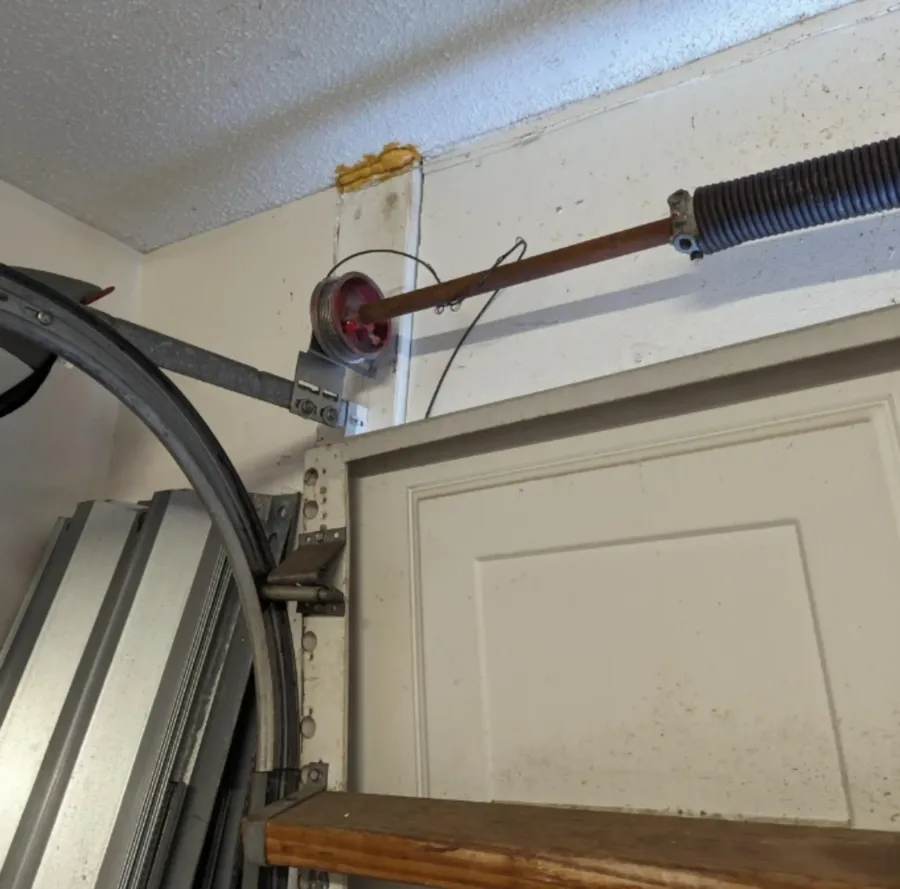
What Do Garage Door Lift Cables Do?
On a torsion system, a cable on each side of the door runs from a bracket at the bottom of the door up to a drum on the spring shaft. As the opener raises the door, the cables wind onto the drums while the springs carry most of the weight. The cables hold that load every time the door moves, so they are among the most stressed parts of the system.
Extension systems use cables differently. Lift cables run over pulleys beside the track, and separate safety cables run through the springs. Each cable has its own job.
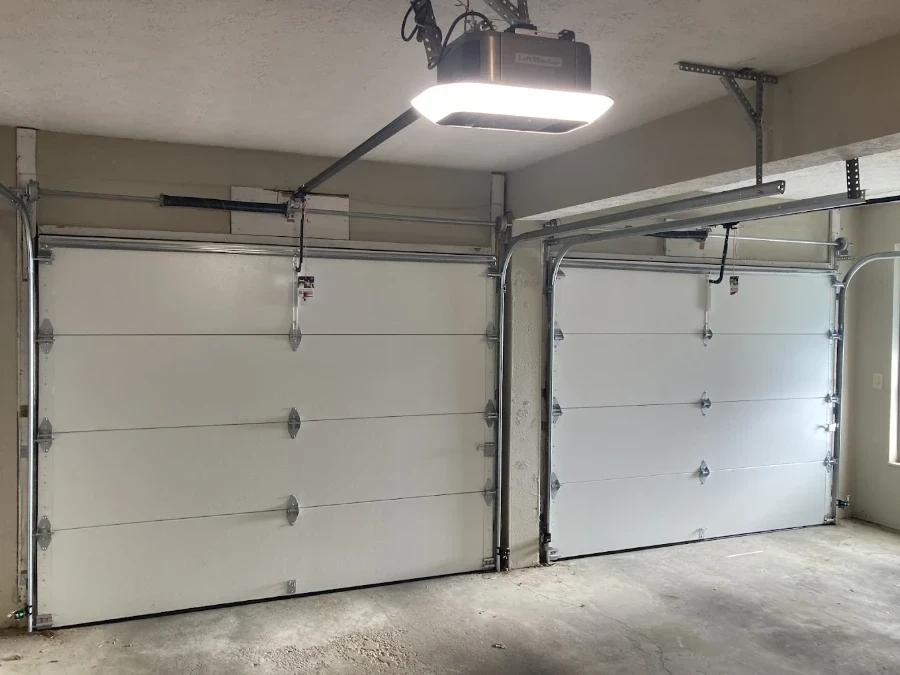
Lift Cables vs. Safety Cables: What Is the Difference?
| Cable | Where it sits | What it does | If it fails |
|---|---|---|---|
| Lift cable (torsion) | Bottom bracket to the drum on the spring shaft | Carries the door’s weight as it rises and lowers | One side drops, or the door will not lift |
| Lift cable (extension) | Along the track, over pulleys | Transfers spring force to the door | The door lifts unevenly or hangs crooked |
| Safety cable (extension) | Through the center of each spring | Contains the spring if it breaks | You may not notice until a spring snaps and whips loose |
How Do I Know a Garage Door Cable Is Failing?
- Frayed strands or visible rust on the cable
- A cable that hangs loose or looks slack
- One side of the door sitting lower than the other
- A cable that has slipped off the drum
- Jerky or uneven movement as the door travels
- A door that jams partway up or down
A frayed cable is a warning. It often fails soon after you notice it, and a snapped cable can drop one side of the door. If that has already happened, see our emergency garage door repair page.
Why Do Garage Door Cables Fray Faster in Miami Gardens?
A cable is a bundle of steel strands, and several things in South Florida wear on them early.
- Salt air and humidity corrode steel strands, sometimes from the inside where it is hard to see
- A loose or misaligned drum chews the cable as it winds
- A door that is out of balance rubs the cable against the drum edges
- Age adds up, since every open and close flexes the same strands
Why Do We Replace Cables in Pairs?
Both cables carry the same load and have aged the same way. Replacing one leaves a new cable next to a worn one, which can lift unevenly, and the old cable is often close to failing too. Replacing both keeps the door level and avoids a second visit.
What else we check during a cable repair
- Cable drums for grooving, damage and loose set screws
- Bottom brackets that anchor the cables to the door
- Bearings at the ends of the spring shaft
- The springs (see also torsion and extension springs), since a weak spring can leave cables slack
- Rollers and the track, in case the door has started to pull off its track
We show you any worn parts before we replace them.
What Happens During a Cable Repair?
- Secure the door. Cables stay under tension even when the door is down, so the door is secured and the spring tension is released with the right tools.
- Remove and inspect. The old cables come off, and we inspect the drums and bottom brackets.
- Install. New cables go on in matched pairs, seated correctly on the drums and brackets.
- Rebalance. Spring tension is set so the door stays put when released halfway.
- Test. We run the door through a full cycle and check sensors and the auto-reverse before we leave.
How Are Garage Door Cables Sized and Matched?
A cable is not a one-size part. Several specifications have to match the door, and getting any one wrong changes how the door behaves.
| Specification | Why it matters |
|---|---|
| Cable length | Set by the door height and lift type, so the cable winds onto the drum correctly |
| Cable diameter and strand count | Heavier doors need thicker cable |
| End fittings | Looped, ball or swaged ends must fit the bottom bracket and drum |
| Drum type | The drum must suit the lift type and the spring shaft |
| A matched left and right pair | Both sides have to wind evenly |
A cable of the wrong length or size can leave the door crooked, short of fully closing, or unsafe. We match cables to the door itself, not to a guess from a part number.
Standard Lift, High Lift and Low Headroom: How Do Cable Setups Differ?
| Lift type | What it means | Cable setup |
|---|---|---|
| Standard lift | The usual residential setup, where the door curves back under the ceiling | Standard drums and cable lengths |
| High lift | The door rises higher before curving back, common with tall ceilings | Longer cables and different drums |
| Low headroom | Little space above the door | Specialized drums and cable arrangements |
| Vertical lift | The door rises straight up | Longer cable runs and different hardware |
If your door has been modified, or an earlier repair changed the cable arrangement, tell us. It affects which parts we bring.
The Cable Drum: The Part Nobody Checks
The drum is a grooved wheel at each end of the spring shaft. The cable winds into its groove, which keeps it aligned. A worn or loose drum is a quiet cause of repeat cable failures.
- Grooves worn smooth let the cable ride up and fray
- A loose set screw lets the drum slip on the shaft
- A cracked or corroded drum can fail suddenly
- Mismatched drums on the two sides lift unevenly
We inspect the drums on every cable job and replace them when they are worn. The shaft they ride on is covered on our torsion spring page.
Why Do Garage Door Cables Break at the Bottom?
Most cable failures start at the bottom, where the cable loops around the bottom bracket. That is the lowest point on the door, where rain, splash and floor moisture settle. In Miami Gardens, salt and humidity do their worst damage there. The cable can look fine above and be corroded inside the loop.
What to look for near the bracket
- Rust-colored stains around the bracket
- Frayed strands at the loop
- A cable that looks bulged or flattened
- A bracket with rust or pitting
Keeping water away from the bottom of the door helps. Our seal replacement page explains how.
How Do You Inspect Cables Safely From the Floor?
- Close the door and stand to the side, not beneath it.
- Look along each cable from the drum down to the bottom bracket.
- Check for frayed or broken strands, rust, kinks and flattened sections.
- Look at where the cable meets the drum, and whether it sits in its groove.
- Compare the two sides.
- Do not touch, pull or loosen anything. If you see damage, call.
Frequently Asked Questions
Can you replace just one garage door cable?
We replace cables in pairs. Both have carried the same load for the same time, and a new cable beside a worn one can leave the door lifting unevenly.
Is a frayed garage door cable an emergency?
A frayed cable should be replaced soon, because it can snap without warning. A snapped cable is an emergency, since the door can drop on one side. Keep clear and call.
What happens if a cable snaps while the door is open?
The door can drop on one side or jam in the track. Keep people clear, do not run the opener, and call for help.
Why did my cable come off the drum?
Usually slack from a broken spring, a loose drum, or the door hitting something. Reseating the cable without fixing the cause will not last, so we look for why it slipped.
How long do garage door cables last?
There is no fixed rating. Cables wear with every cycle and corrode in humid, salty air, so in South Florida they are worth inspecting whenever the springs are serviced.
Can a broken spring damage the cables?
Yes. When a spring breaks, the cables go slack and can jump off the drums or kink. We check the cables whenever we replace springs.
Can a frayed garage door cable be repaired or spliced?
No. Cables carry the full weight of the door, and a splice or patch is not safe. A frayed cable is replaced, and in pairs.
Why do cables fray near the bottom bracket?
That is the lowest point on the door, where moisture settles. Salt and humidity corrode the cable inside the loop, and every cycle flexes it at the same spot.
Do both cables wear at the same rate?
Usually close, but not always. One may fray first. We replace both because they have carried the same load for the same time.
How is a broken garage door cable replaced?
The technician secures the door, releases the spring tension, removes the broken cable, checks the drum and bottom bracket, and fits a new matched pair. The cables are seated on the drums, the spring is set so the door balances, and the door is tested before we leave. Do not replace a cable yourself, because the bracket and cable are under tension.
Cable frayed or snapped?
We replace lift cables in pairs, check the drums and test the door before we leave.
Elite Miami Gardens Garage Door Repair, 6187 NW 167th St, Suite 101, Miami Gardens, FL 33014