
Garage Door Maintenance Miami Gardens
A yearly tune-up catches worn springs, frayed cables and drifting sensors before they leave you stuck. We inspect, lubricate and test the whole system.
- Same-day service
- Serving all Miami Gardens neighborhoods
- Explained before we repair
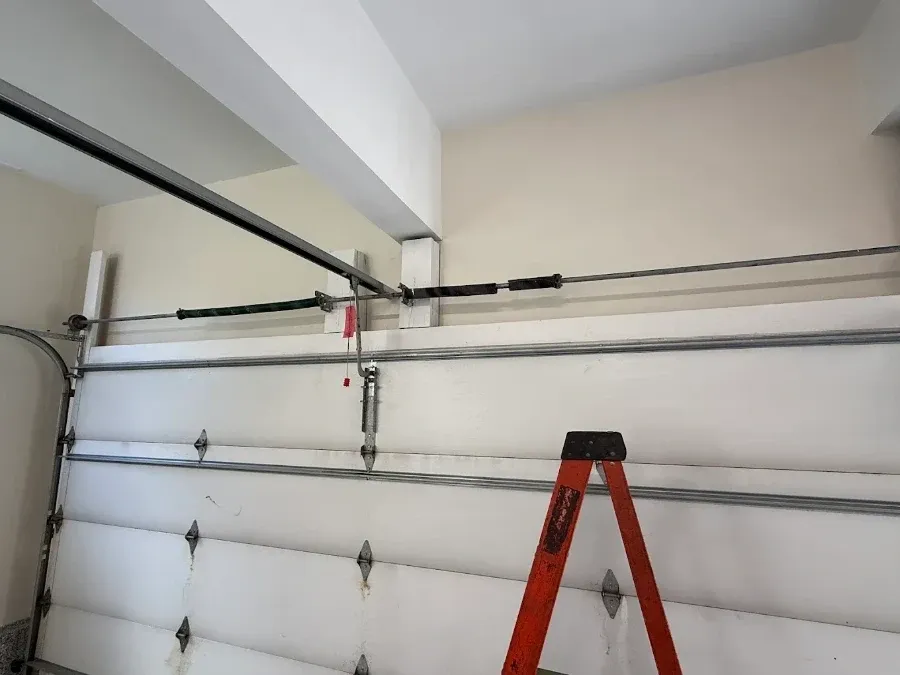
Why Does a Garage Door Need Maintenance in Miami Gardens?
A garage door is the heaviest moving part of your home, and for many households it is also the front door. It cycles several times a day, carries its weight on springs and cables under tension, and depends on a safety system that has to work every time. Little of that gets looked at until something fails.
South Florida adds its own wear:
- Salt air corrodes springs, cables, drums and hinge pins
- Heat bakes a closed garage and dries out lubricant
- Humidity keeps metal damp and film building on sensor lenses
- Storm season brings debris, power outages and sudden demands on the door
- Frequent use wears springs and rollers faster when the garage is your main entrance
Parts tend to fail in a chain. A rusting cable strains a spring, a weak spring overworks the opener, and a dry roller scores the track. A tune-up breaks that chain early.
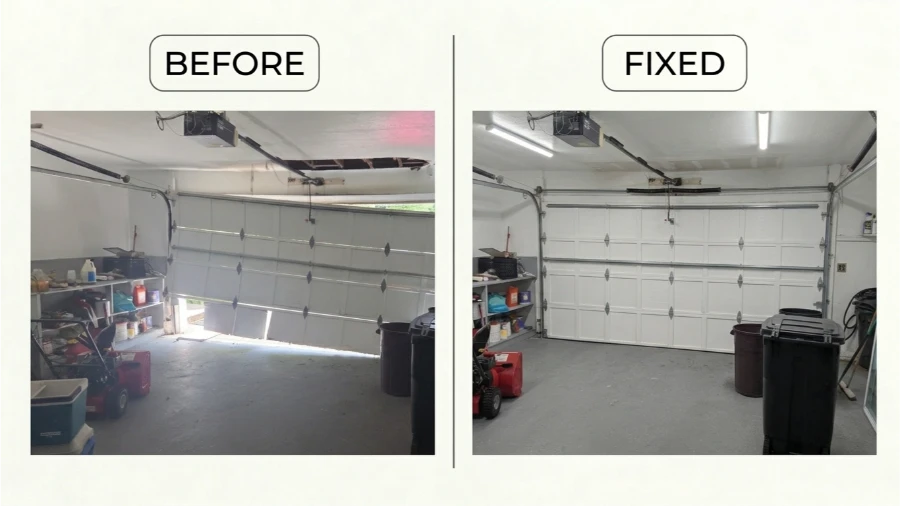
What Does a Garage Door Tune-Up Include?
| System | What we check | Why it matters |
|---|---|---|
| Springs | Rust, gaps in the coils, signs of fatigue and balance | A worn spring is the most common sudden failure |
| Cables and drums | Fraying, rust, slack and drum condition | A snapped cable can drop one side of the door |
| Rollers and hinges | Wear, play, cracked or flat-spotted rollers and loose hinges | Worn parts add noise and score the track |
| Tracks | Alignment, bends, loose brackets and debris | A shifted track can let the door jump out |
| Door balance | Whether the door holds when released halfway | Imbalance overworks the opener |
| Opener | Rail, chain or belt, carriage, mounts and travel limits | Catches strain before it strips a gear |
| Safety sensors | Alignment, lenses, wiring and the auto-reverse test | These protect people and pets |
| Weatherseal | Bottom seal and side stripping for cracks and gaps | Keeps out water and pests and protects the bottom panel. See our seal replacement page |
| Fasteners | Loose bolts and brackets that can be tightened safely | Vibration loosens hardware over time |
| Remotes and keypads | Battery, range and programming | Fixes small annoyances before they become a call |
We explain what we find in plain language, show you any worn parts, and replace them only when you approve.
Garage Door Maintenance Calendar for South Florida
Hurricane season runs June 1 through November 30, and the dry season runs roughly from late fall into spring. A simple yearly rhythm keeps things ahead of problems.
| When | What to do | Why |
|---|---|---|
| Every month | Look and listen, run the auto-reverse test, wipe the sensor lenses | Small changes show up before they become failures |
| April or May | Full inspection and tune-up before storm season, replace worn seals and rollers | The door is ready when June 1 arrives |
| After any named storm | Check tracks, panels and debris, and reconnect the opener only when the door moves smoothly | Storms bend things you cannot see from the driveway |
| December | Lubricate and look over springs and cables | A hard season of heat and use shows up in the hardware |
| Once a year | Professional inspection and tune-up | Catches wear a homeowner cannot safely see |
Which Garage Door Parts Should Be Lubricated?
| Part | Lubricate? | Notes |
|---|---|---|
| Hinges | Yes | A light application at the pivot points |
| Roller bearings | Yes, on steel rollers | Sealed nylon rollers may not need it. Follow the maker’s guidance |
| Spring coils | Yes, lightly | A light coat reduces friction and rust |
| Bearing plates and end bearings | Yes | They carry the spring shaft |
| Tracks | No | Clean them instead. Lubricant on the track collects dust and grit |
| Chain on a chain-drive opener | Yes, lightly | Follow the opener’s manual |
| Belt on a belt-drive opener | No | A belt does not need lubrication |
| Screw on a screw-drive opener | Yes | Use the product the manual recommends |
| Rubber weatherseal | Condition only | A silicone-based product keeps rubber supple |
Use a lubricant made for garage doors, such as a silicone or lithium-based spray. General-purpose penetrating sprays are not a lasting lubricant for these parts. Never lubricate or adjust the cables, the bottom brackets or the spring tension yourself.
Monthly Checks You Can Do Safely
- Look. Scan the springs, cables, rollers and hinges for rust, fraying or gaps.
- Listen. Run the door and note new grinding, squealing or popping.
- Balance test. Skip this test if you heard a bang or can see a gap in a spring. With the door fully closed, pull the red release cord and lift the door by hand to about halfway. A balanced door stays put. If it drops or feels heavy, stop and call.
- Auto-reverse test. Lay a board about 1.5 inches high flat in the door path. The door should reverse when it touches the board.
- Sensors. Wipe both lenses and confirm both indicator lights are solid.
- Seal. Check the bottom seal makes contact all the way across.
Leave These to a Technician
- Springs and spring adjustment
- Cables, drums and bottom brackets
- Anything that requires loosening hardware under tension
- The inside of the opener housing
These parts are under load even when the door is closed. See our spring repair page for why.
Signs You Have Waited Too Long
- The door shakes, jerks or runs slower than it used to
- One side lags or sits lower than the other
- Visible gaps in a spring coil or fraying on a cable
- Louder grinding, squealing or popping, covered on our noisy door page
- Sensors that work some days and not others
- A remote that has to be pointed from closer than before
- Water or pests getting in along the bottom
- The door feels heavy when you lift it by hand
If you notice several of these, schedule a visit rather than waiting for the failure. If the door is already stuck, see our emergency garage door repair page.
What Can Maintenance Do, and What Can It Not Do?
Maintenance extends the life of a door, catches failures early, quiets it down and keeps the safety system honest. It cannot make a worn spring last forever. A spring near the end of its cycle rating will break no matter how well it is lubricated. What a tune-up does is tell you how worn it is, so the replacement is a planned visit and not a midnight emergency.
When parts do need replacing, our pages on cables, sensors and openers explain what that involves.
Hurricane-Season Garage Door Inspection
The garage door is the largest opening in most homes. If it fails in a storm, wind gets inside. Before June 1, the inspection should confirm:
- The door closes and latches fully, and the bottom seal makes contact across the whole width
- Springs and cables show no rust, fraying or gaps
- The door is balanced and the tracks are straight and tight
- The opener and sensors work, and the auto-reverse passes
- Everyone in the household knows where the red release cord is and how to use it
If your door is old, damaged or not built for current requirements, our impact door page explains the options.
Related Guides
- How to lubricate a garage door (and what not to spray)
- How to test your garage door’s safety features
- Hurricane season and your garage door: a Miami Gardens guide
- Browse all garage door guides
- Water coming under your garage door: causes and fixes
- What you can fix yourself, and what needs a pro
- Garage door roller replacement
Frequently Asked Questions
How often should a garage door be serviced?
At least once a year, and ideally before hurricane season. A garage door used many times a day, or one near the coast with heavy salt exposure, benefits from a visit twice a year.
Can I do garage door maintenance myself?
You can do the monthly visual checks, the balance and auto-reverse tests, lens cleaning and light lubrication of hinges. Springs, cables, drums and brackets are under tension and should be left to a technician.
What should I lubricate on a garage door?
Hinges, roller bearings on steel rollers, the spring coils and the end bearings. Leave the tracks clean and dry, and never lubricate the cables. Use a product made for garage doors.
Is WD-40 okay for a garage door?
General-purpose penetrating sprays are not a lasting lubricant for these parts and can attract dust. A silicone or lithium-based garage door lubricant is the better choice.
Do I need maintenance if my door works fine?
Yes. Springs, cables and sensors often wear without any sign until they fail. A working door can be one cycle from a broken spring. Maintenance is how you find that out early.
Will a tune-up make my door quieter?
Often. Most squealing and grinding comes from dry hinges and worn rollers, and a tune-up addresses both. If the door is still loud, our noisy door page covers deeper causes.
How long does a tune-up take?
It depends on the door and what is found. The technician inspects first and tells you what they see, then explains any worn parts before replacing anything.
What should I check after a storm?
Look at the tracks, panels, cables and springs from a safe distance first, and clear any debris. If you see bent tracks, cracked panels, a gap in a spring or a loose cable, leave the door alone and call. If the door is fully closed and looks normal, you can pull the release cord and lift it slowly with a helper, then reconnect the opener only if it moves smoothly. Never pull the cord with the door open. If it is heavy, crooked or jammed, stop and call.
Does maintenance replace repairs?
No. It finds wear early and keeps parts working, but a worn spring or cable still needs replacing when it reaches the end of its life.
Due for a tune-up?
We inspect the whole system, explain what we find and test every safety feature before we leave.
Elite Miami Gardens Garage Door Repair, 6187 NW 167th St, Suite 101, Miami Gardens, FL 33014