
Garage Door Roller Replacement Miami Gardens
Worn rollers make a door loud, rough and hard on its track. We replace them as a set and check the hinges and track around them.
- Same-day service
- Serving all Miami Gardens neighborhoods
- Explained before we repair
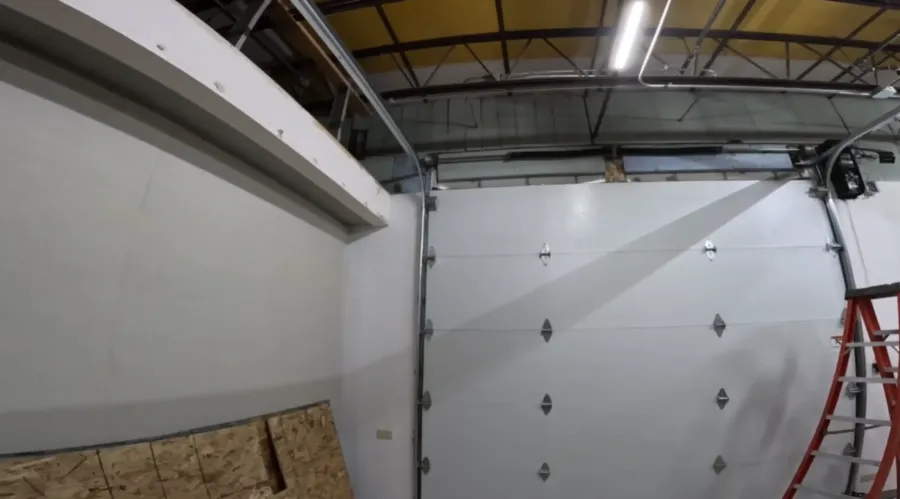
What Do Garage Door Rollers Do?
Rollers are the small wheels that carry the door up and down inside the track. One sits at each hinge point on each side, plus one at the top and one at the bottom of each side, so a typical four-section door has around ten. Each one turns every time the door moves, so a door used several times a day puts thousands of turns on them every year.
When rollers wear, the first thing you notice is noise. After that comes roughness, scored tracks and extra strain on the opener. A roller that has flattened or cracked can also pop out of the track entirely, which is how many doors end up off track. See our noisy door page and off-track page for those cases.
Signs Your Garage Door Rollers Need Replacing
- Squealing, grinding or rumbling as the door moves
- Rollers that wobble in the track or have visible side-to-side play
- Flat spots, cracks or chipped edges on nylon rollers
- Rust or seized bearings on steel rollers
- Scoring or scuffing inside the track
- A door that moves in jerks, or shakes when it opens
- Rollers that have popped out of the track at any point
Rollers do not fail all at once. A noisy door that still works is the best time to replace them.
Garage Door Roller Types Compared
| Roller type | Noise | Wear | Best for |
|---|---|---|---|
| Steel with exposed bearings | Loudest | Wears and rusts, especially in salt air | Older doors and low-use garages |
| Nylon, no bearings | Quieter than steel | Wears down over time | Light-use doors that need to be quieter |
| Nylon with sealed bearings | Quietest | Longest-lasting of the three | Doors used daily and garages next to living space |
| Steel with sealed bearings | Moderate | Sturdy, but can rust if the seal fails | Heavy doors and commercial use |
Stem length and track size also matter, and a roller that does not match the track will wobble or bind. We match the roller to your door and track, not to a part number on the box. Bearing count differs between rollers, and more balls in the bearing generally means a smoother ride.
Why Are the Bottom Rollers Different?
Most rollers sit in hinges and are simple to replace once the door is secured. The bottom rollers are different. They attach to the bottom bracket at each corner of the door, and that bracket anchors the lift cable, which is under spring tension even when the door is closed. Loosening it without releasing the tension can cause serious injury. For that reason the bottom rollers are a technician job, and our cable repair page explains why those brackets are not a do-it-yourself part.
What Happens During a Roller Replacement?
- Inspect. We look at the rollers, hinges, track, brackets and the cables and springs around them.
- Secure the door. It is held in place, and spring tension is released where the work requires it.
- Remove the old rollers. One at a time, section by section.
- Check the hinges. Worn or cracked hinges are replaced with the rollers, since they hold the roller in position.
- Clean the track. Dirt and grit are wiped out. We do not lubricate the track.
- Install the new rollers. They are matched to the door and track.
- Balance and test. The door should run smoothly and hold halfway, and we check sensors and the auto-reverse.
Why Do Rollers Wear Out Faster in South Florida?
- Salt air and humidity rust steel rollers and seize bearings
- Heat dries lubricant out of hinges and roller bearings
- A film of salt and dust builds up in the track and acts like grit
- Daily use, since the garage is often the main entrance
- Neglected hinges that let rollers sit at the wrong angle
Regular checks catch roller wear before it scores the track. Our maintenance page explains what a tune-up covers.
Replace the Rollers or the Whole Door?
Rollers are one of the simpler parts to replace, and they almost never justify a new door on their own. But if the track is bent, the panels are warped, or the door has been off its track more than once, new rollers will not fix the underlying problem. Our panel repair page and replacement page explain when that happens.
Frequently Asked Questions
How often should garage door rollers be replaced?
There is no fixed schedule. Nylon rollers often need replacing after several years of daily use, and steel rollers wear faster in salt air. Noise, wobble and flat spots are the signs.
Can I replace only some of the rollers?
You can, but we recommend replacing them as a set. New rollers next to worn ones leave the door running unevenly, and the old ones are usually close to failing.
Do nylon rollers need lubrication?
Sealed nylon rollers often do not, and some are marked for it. Follow the maker’s guidance, and keep the hinges lubricated either way.
Why are hinges replaced with rollers?
Hinges hold the rollers in position. A worn or cracked hinge lets the roller sit at the wrong angle, so replacing both keeps the new rollers running true.
Are nylon rollers quieter than steel?
Generally yes, especially with sealed bearings. They are also gentler on the track.
What if a roller has fallen out of the track?
Stop using the door. A door with a missing roller can bind or jump the track. Our off-track page explains what to do.
Noisy or wobbly rollers?
We replace rollers as a set, check the hinges and track, and test the door before we leave.
Elite Miami Gardens Garage Door Repair, 6187 NW 167th St, Suite 101, Miami Gardens, FL 33014